
Photo by energepic.com on Pexels
Commodity Trader: Who Really Sets the Price on Your Screen
Quick Answer
A commodity trader is either a professional at a bank or trading house managing physical commodity risk and running large derivatives books, or a retail speculator trading CFDs and futures on a retail platform. Both are called commodity traders. The price on a retail gold or oil screen is set by the first group. Understanding how they operate changes how you read the chart you are trading from.
“Commodity trader” is one of those job titles that covers at least two completely different activities, and nobody in the industry seems particularly motivated to clarify which one they mean. (I traded gold for two years before I properly understood what a commodity trading house was, or how its hedging activity was shaping the price action I was looking at. The chart read cleanly. What it was not doing was telling me why certain levels held so firmly — and that, it turns out, is the part that matters.)
If you have searched “commodity trader” because you trade gold, oil, silver, or copper on a retail platform and want to understand what you are actually doing — this post is for you. If you are searching because you are thinking about a career in commodity trading — that answer is in here too, and it is quite different from what the CFD broker career pages suggest.
The same label, two different jobs
The word “commodity trader” describes two very different professional realities depending on which side of the institutional divide you sit on.
The first is the professional at a commodity trading house — Glencore, Vitol, Trafigura, Gunvor — or at the commodities desk of an investment bank. This person deals in physical barrels of crude oil, metric tonnes of copper, or bushels of wheat. Their job involves managing a physical supply chain: buying raw material from a producer, arranging transport and storage, selling it to an end user, and running a book of futures contracts to hedge the price risk on the physical position in between. The scale is substantial. The complexity is significant. Physical delivery is not a concept — it is a weekly operational reality.
The second is the retail trader using a CFD or spread betting account to speculate on the price of gold or crude oil. They read a chart, form a view on direction, and enter a position. They never take physical delivery. (Nobody is delivering actual barrels of crude oil to a flat in Manchester — and if they were, that would represent a very specific failure of the broker’s risk management.) The commodity is the reference asset in a derivative contract, not a physical thing they will ever own.
Same label. Completely different job. The price on the retail screen is set by the first group. Understanding how that group operates is what makes the chart make sense.
What professional commodity traders actually do
Professional commodity trading is not primarily about directional speculation. It is primarily about managing the price risk that comes with owning, processing, or consuming physical commodities.
A gold mining company extracts gold from the ground at a production cost of, say, $1,800 per troy ounce. Gold is currently trading at $2,400. The mining company can lock in that $600 profit margin on future production by selling gold forward in the futures market today. When they do this — hedging perhaps 50% of next year’s planned production — they are creating real selling supply at the current price level. Not because they are bearish on gold. Because they are removing uncertainty from their business.
On the other side of the same market, an airline that burns hundreds of thousands of barrels of jet fuel per month wants to lock in its fuel costs before they rise. It buys crude oil futures contracts today to hedge forward fuel costs. This creates real buying demand at the current price level. The airline is not bullish on oil as a macro call. It is managing operational risk.
These two flows — producer forward selling and consumer forward buying — are the structural foundation of commodity futures pricing. They are not driven by the same signals that retail traders use. They are driven by production economics, corporate hedging policy, and supply chain management. They create buying and selling at price levels that can look confusing if you are only reading the chart.
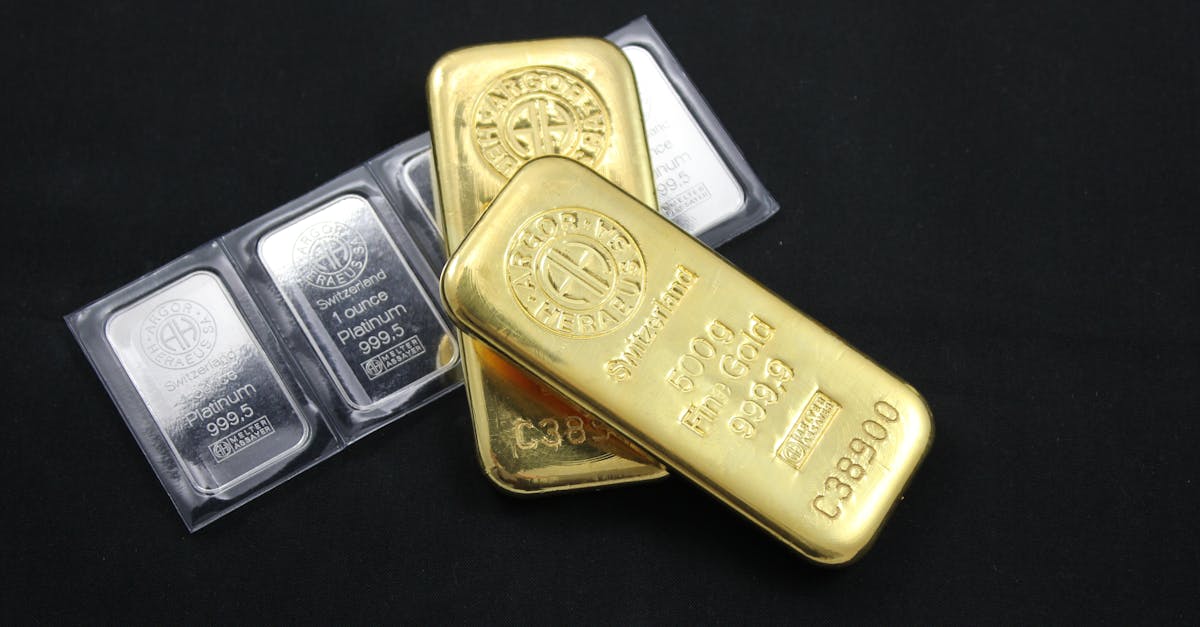
Photo by Zlaťáky.cz on Pexels
The four types of commodity market participant
Understanding who is in your commodity market on any given day — and what is driving their activity — is the context layer that most retail commodity trading education never provides.
- 1.Producers and consumers hedging physical exposure. Mining companies, oil producers, agricultural firms, airlines, food manufacturers. Their activity is driven by production costs, contract obligations, and corporate hedging policy — not by price direction forecasts. They create systematic buying and selling at levels determined by their economics, not your chart. Their hedging programmes are often quarterly and predictable in structure, which is why commodity price action can be oddly resistant to moves in either direction at specific price levels.
- 2.Commodity trading houses (CTHs). Firms like Glencore and Vitol take physical ownership of commodities, transport them, and sell them to end users. They run large futures books alongside their physical operations to hedge price exposure and sometimes take speculative positions on price spreads between different delivery locations, grades, or dates. Their hedging creates order flow at predictable times — particularly around commodity transport and delivery cycles. The London Metal Exchange was built around the needs of exactly these participants.
- 3.Investment banks and commodity desks. Goldman Sachs, Morgan Stanley, Barclays, and JP Morgan all run commodity trading operations that market-make in commodity derivatives and manage large structured product books. When a commodity index fund (tracking Bloomberg Commodity Index or the S&P GSCI) rebalances its weightings quarterly, an investment bank is typically on the other side of those flows. The bank then hedges its exposure in the futures market — creating predictable, calendar-driven flow that has nothing to do with commodity supply or demand fundamentals.
- 4.Hedge funds and CTAs (Commodity Trading Advisors). Macro hedge funds take large directional positions based on fundamental commodity views. CTA (trend-following) funds run systematic strategies that go long when a commodity breaks above a rolling average and short when it breaks below. CTA flows can amplify trends significantly — adding momentum to moves that have already started — and can reverse quickly when the trend signal changes. Understanding whether a commodity trend is fundamentally driven or CTA-driven changes how you assess its durability.
The weekly Commitment of Traders (COT) report, published by the US Commodity Futures Trading Commission, provides a public window into how these participant groups are positioned across commodity futures markets. It is not a trading signal. It is context — and context is what changes how you read the chart you are already looking at.
How institutional activity creates the price you see
The price of gold on your retail CFD screen at 14:37 on a Tuesday is not determined by retail traders. It is determined by the net effect of all the institutional activity described above — producer hedging programmes, ETF rebalancing flows, macro fund positioning, CTA momentum signals, and central bank buying — filtered through the COMEX gold futures market in New York.
This has a specific consequence for retail commodity trading that most education glosses over. When you pull the trigger on a gold long and price goes lower before it eventually goes where you expected, the most likely explanation is not that your analysis was wrong. It is that you entered at a level where an institutional participant was selling — for reasons entirely disconnected from your fundamental view.
A gold mining company that has hedged its next-year production at $2,400/oz is effectively a committed seller at $2,400. Every time price rallies toward that level, their hedge becomes more profitable and they may add to it. This creates a ceiling that exists for structural, not technical, reasons. Your resistance line on the chart is in the right place. What the chart is not telling you is why that level matters — and without that, your RR calculation on the trade is missing information.
This is not unique to gold. Oil prices reflect OPEC production decisions and the hedging behaviour of US shale producers (who are aggressive forward sellers when oil rallies). Copper prices reflect Chinese import demand and the hedging programmes of major miners. Agricultural commodity prices reflect seasonal harvest cycles and the hedging activity of large commercial grain traders. Each market has its own institutional participant structure. Each structure creates specific patterns in where the liquidity sits and why.
Retail traders looking only at the chart see the footprint of this activity. They do not, usually, see the activity itself. The levels that hold and the levels that break are not random — they reflect institutional positioning. But understanding which type of institutional participant is active, and what is driving their activity at this point in the market cycle, is what separates reading a chart from understanding the market the chart represents.

Photo by AlphaTradeZone on Pexels
What retail commodity trading actually involves
In practice, retail commodity trading in the UK takes one of three forms.
- →CFDs on commodities. The most common retail route. The broker references the underlying futures price and takes the other side of your trade. Regulated by the FCA. No physical delivery. The FCA requires brokers to disclose the percentage of retail accounts losing money — for commodity CFDs this is typically 70–80%.
- →Spread bets on commodities. Structurally similar to CFDs. Gains are generally exempt from capital gains tax in the UK, which makes spread betting the preferred wrapper for many UK retail traders. Price still references the underlying futures market.
- →Retail futures contracts. Some brokers offer access to micro and mini futures contracts on CME or ICE, with smaller contract sizes than the wholesale market. This puts you directly in the futures market rather than through a CFD wrapper — which means tighter institutional pricing but also the full mechanics of futures margining, daily mark-to-market, and quarterly roll. Understanding the difference between futures and forward derivatives matters here.
In all three cases, the price you trade traces back to the same wholesale futures market. You are a retail speculator in a market where the price is set by industrial hedgers, investment banks, commodity trading houses, and macro funds. That is not an argument against participating — it is the argument for understanding the market you are in, rather than just the chart you are reading.
When commodity trading is wrong for you
If you are currently bleeding on commodity trades — consistently right on direction and wrong on timing, or finding that levels that look clean on the chart keep failing without explanation — there are two things worth checking before you add to your position size or change your strategy.
The first is whether you understand the specific commodity you are trading well enough to explain what drove its last major move. Not “it went up because sentiment was bullish.” The actual mechanism: was it a CFTC positioning shift, a production disruption, a change in mine hedging behaviour, a central bank buying programme, or a CTA trend signal triggering across multiple funds? If you cannot give a specific answer, your analysis is not wrong — it is incomplete.
The second is whether the commodity you are trading is well-suited to the approach you are using. Gold, as a trading vehicle, is heavily influenced by real interest rate expectations, USD strength, central bank demand, and mining company hedging behaviour — none of which appear directly on a price action chart. WTI crude oil is significantly influenced by OPEC production decisions and US shale producer hedging. Soft commodities like cocoa or coffee have pronounced seasonal supply patterns that create predictable volatility windows regardless of chart structure.
Retail commodity trading is not a mistake in itself. Trading a commodity without knowing why its price moved on the last significant day — and only reading the chart as if the chart contains the full story — is the mistake. The chart shows where price went. It does not always show why. In commodity markets, the “why” tends to sit with the participant types described above. They are not hiding it. They publish it, weekly, in the COT report. Most retail traders never read it. That gap is not about discipline or psychology. It is about what you were taught to look for — and what nobody bothered to mention existed.
If you trade commodities, read the COT report for your market. Read it alongside the chart, not instead of it. It will not give you an entry signal. It will give you the context that makes the chart make sense. And that is a more useful tool than another indicator on the same price data you are already looking at.
Whether that makes you a commodity trader in the full sense of the term is, as I say, a longer conversation. A profitable one, ideally.
Frequently asked questions
What does a commodity trader do?
The term covers two different activities. A professional commodity trader at a bank or trading house manages commodity risk on behalf of an institution — hedging physical supply chain exposure, running derivatives books, or taking speculative positions in wholesale markets. A retail commodity trader speculates on commodity price direction using CFDs, spread bets, or retail futures contracts through a retail broker. Both are trading commodities; neither is doing the same job.
How do commodity traders make money?
Professional commodity traders make money through spread capture, arbitrage between physical and futures markets, and directional positions based on supply and demand analysis. Retail commodity traders make money (when they do) by correctly speculating on the direction of commodity prices — buying CFDs or futures contracts before prices rise, or selling short before prices fall. The two approaches share the same underlying market but operate in it very differently.
What is the difference between a commodity trader and a commodity broker?
A commodity trader takes positions — buying and selling commodities or commodity derivatives for profit, either on behalf of an institution or their own account. A commodity broker facilitates trades between buyers and sellers, earning a commission or spread without taking directional risk themselves. Most retail traders deal with commodity brokers — the CFD provider or futures broker that gives them access to the market — while the professional traders are the participants whose activity sets the price.
What are the main types of commodities traded?
Commodities divide into four main categories. Energy includes crude oil (WTI and Brent), natural gas, and heating oil. Metals include precious metals (gold, silver, platinum) and base metals (copper, aluminium, nickel, zinc). Agricultural commodities include grains (wheat, corn, soybeans), soft commodities (cocoa, coffee, sugar, cotton), and livestock. Environmental commodities including carbon credits have grown significantly as a traded category. Each category has its own participant structure, pricing dynamics, and dominant exchanges.
Can a retail trader access commodity futures directly?
In principle, yes. Some retail brokers offer access to micro or mini futures contracts on exchanges like CME or ICE, which have smaller contract sizes than wholesale futures. However, the margins required and the volatility of commodity futures make them significantly more capital-intensive than retail forex. Most UK retail traders access commodity markets through CFDs or spread bets, which reference the futures price without requiring direct exchange access.
What is a commodity trading house?
A commodity trading house is a firm that physically trades raw materials — buying, transporting, storing, and selling actual commodities rather than purely financial derivatives. The largest include Glencore, Vitol, Trafigura, and Gunvor. These firms run large futures books alongside their physical operations to hedge their price exposure. Their hedging activity is a major source of institutional flow in commodity futures markets, and their buying or selling at specific price levels contributes to the price action retail traders see on their charts.
Why is timing so difficult in commodity trading?
Commodity prices are often directionally correct in analysis but wrong in timing because institutional hedging activity — particularly producer forward selling — can suppress price below fair value for extended periods. A gold mining company locking in $2,400/oz for next year’s production creates real selling pressure at that level regardless of the broader bullish case for gold. Retail traders reading the chart without understanding the current hedging positioning of major producers are missing a significant component of why price behaves as it does at specific levels.
Do retail commodity traders need to understand the physical market?
Not in detail — but understanding the participant structure of your commodity changes how you read price action. Knowing that oil prices are influenced heavily by OPEC production decisions, that gold is affected by central bank buying and mining company hedging, and that agricultural commodities have seasonal supply patterns means you can distinguish institutional flow from noise. The Commitment of Traders report published weekly by the CFTC is a useful window into how professional participants are positioned in commodity futures markets.
Marco Stavros has traded forex and commodities from London since 2009. He spent several years trading gold without understanding the role of mining company forward hedging in setting the price levels he was reading on his chart. His writing at Rethink Forex focuses on what the wholesale market is actually doing and why that matters for the screen in front of you. Learn more about Marco.
Start Seeing What's Really Moving Price
Most traders react to price. Learn to read what drives it.
See how Rethink Forex works