
Photo by zheng liang on Pexels
Displacement Forex: The Word Nobody Defines Precisely
Quick Answer
Displacement is a fast, one-directional price move made up of large-bodied candles closing consecutively the same way, with minimal wicks, that outruns normal two-way trading and typically leaves a fair value gap behind. Judged against the recent candles around it, not eyeballed in isolation, it is the quality filter that separates a genuine structural break from a weak one.
Every sprinter knows the difference between a false start and the real one, mostly because someone fires a gun and everyone else stays exactly where they were (my apprentice once jumped early anyway, gun or no gun). Forex never fires a gun. It just expects you to know which candle actually left the blocks.
Displacement, in forex trading, is the specific, checkable move that means a level broke with genuine conviction behind it. If you have been told to “confirm with displacement” across a dozen setups without anyone ever telling you exactly what disqualifies a candle, this post is the definition that should have come first.
The candle you counted that did not count
Here is the specific version of this that catches people out. A level breaks, the candle that breaks it looks reasonably big, the price action seems decisive enough, confluence checks out, you pull the trigger. Price stalls and reverses. My analysis was right but I still lost, because the candle you counted as displacement was really just a slightly-larger-than-usual candle wearing the name. Genuine displacement is rarer and more specific than “that one looked strong.”
None of this means you cannot read a chart. It means “displacement” gets used constantly as a confirmation criterion and almost never gets operationalised into something you can actually check candle by candle.
What displacement actually requires
Real displacement has three checkable features, judged relative to the candles immediately around it, never in isolation: a body noticeably larger than the recent average, minimal wicks in either direction, and consecutive candles closing the same way rather than one outlier surrounded by chop. It usually leaves an unfilled fair value gap behind it, since genuine displacement moves fast enough to skip over a zone entirely rather than trading through it tick by tick.

Photo by Gonzalo Álvarez Balcazar on Pexels
Not the same as volatility
Isn't this just volatility with extra vocabulary — a fair objection, and worth answering plainly rather than dodging. Volatility describes how much price moves generally, including choppy, directionless swings that go nowhere. Displacement is narrower and more specific: one direction, minimal rejection, consecutive closes. A volatile session can be full of large candles that still qualify as noise. A single genuine displacement move inside a quiet session can matter more than an entire volatile afternoon that never actually commits to a direction.
The filter behind almost everything on this site
Once you have a working definition, a pattern shows up everywhere. A break of structure needs real displacement to be trusted over a wick. A CHOCH only becomes an MSS once displacement confirms it. A Wyckoff spring or upthrust needs the same kind of genuine follow-through to separate it from a level that simply got nudged through. Displacement was never a separate concept sitting off to one side. It is the same quality filter, reused underneath nearly every structural signal already covered here, and most of those posts have been quietly asking you to trust it without ever handing you the definition directly.
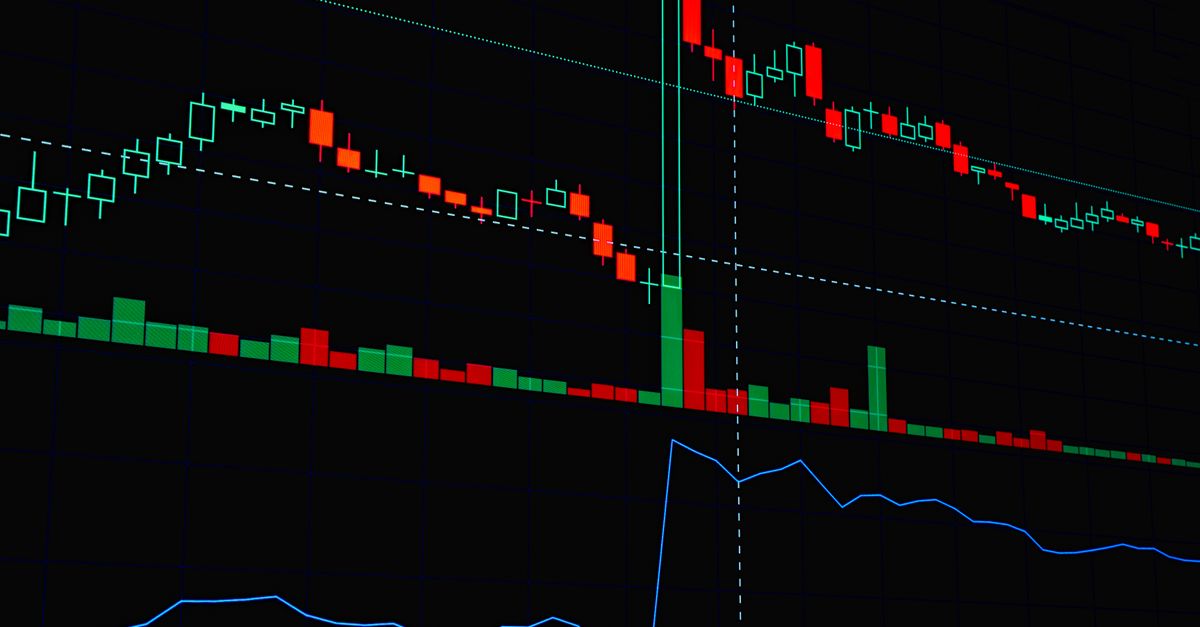
Photo by Rafael Minguet Delgado on Pexels
Who should leave this alone
Every setup I read says confirm with displacement, and it keeps failing anyway — a fair frustration, and the honest reason is usually that the candle being counted was never genuine displacement in the first place, just a reasonably strong one accepted under the same name. If you are currently comparing candles to your own gut feeling rather than to the recent candles actually sitting next to them, that is the gap worth closing before anything else. The FCA's review of retail CFD accounts found the large majority losing money before it capped retail leverage in 2018, and correctly spotting real displacement changes none of that arithmetic without a defined risk plan sitting underneath it.
My apprentice, once he actually started comparing candle bodies instead of guessing, got noticeably quieter about calling things displacement (a rare enough event that I nearly wrote the date down). Rinse and repeat that discipline enough times and stop hunted stops being something that only happens to other people's charts.
Frequently asked questions
What is displacement in forex trading?
Displacement is a fast, one-directional price move made up of large-bodied candles closing consecutively the same way, with minimal wicks, that outruns normal two-way trading and typically leaves a fair value gap behind.
How do you know if a candle counts as displacement?
Compare it against the recent candles around it, not in isolation. Genuine displacement has a body noticeably larger than the recent average, minimal wicks in either direction, and usually arrives as part of a short run of consecutive candles closing the same way, not as a single outlier.
Why does every ICT and SMC setup mention displacement?
Because it is the quality filter used across nearly every structural signal, break of structure, CHOCH, market structure shift, and Wyckoff springs and upthrusts all need genuine displacement behind them to be trusted, rather than a weak break or wick that happened to touch a level.
Is displacement the same as volatility?
No. Volatility describes how much price moves generally, in either direction, including choppy back-and-forth swings. Displacement describes a specific, one-directional move with minimal rejection, which is a narrower and more specific condition than volatility alone.
Can displacement happen without leaving a fair value gap?
It is unusual. Genuine displacement is fast enough that it typically skips over a zone entirely, which is what creates a fair value gap. A move that leaves no gap behind is worth treating as weaker evidence of true displacement, not automatically dismissed, but questioned.
Can you trade displacement on its own, without other confirmation?
Not as a standalone signal. Displacement is a confirmation layer that qualifies other structure, a break, a shift, a sweep, rather than a trade signal in its own right. Seeing displacement without a defined structural context around it is not enough on its own.
Marco Stavros has traded forex from London since 2009. He has counted a merely strong candle as displacement more times than he cares to admit, and now measures it against the candles sitting next to it before he trusts it to mean anything. Learn more about Marco.
Start Seeing What's Really Moving Price
Most traders react to price. Learn to read what drives it.
See how Rethink Forex works