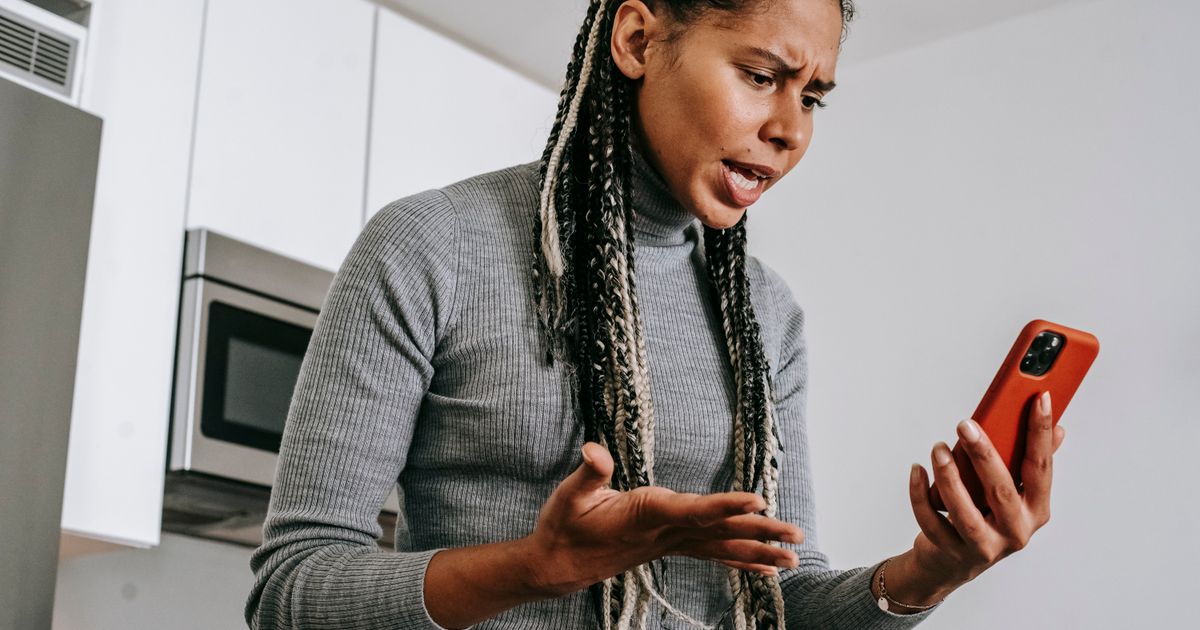
Photo by Alex Green on Pexels
Overtrading: Why More Trades Never Meant More Edge
Quick Answer
Overtrading means placing more trades, or larger ones, than your strategy genuinely calls for — and it is less often a willpower failure than a filter failure. Without a specific, strict definition of what a valid setup actually requires, almost anything on the chart can look like a reason to enter. The trade count comes down naturally once the filter gets stricter. It rarely comes down from willpower alone.
Overtrading is the financial equivalent of a third helping of dinner you did not actually want, purely because the plate was still in front of you. (I have done both. Only one of them shows up on a broker statement.) If you have ever placed a trade knowing, in the moment, that it did not meet your own rules — not afterward, right then — you already understand overtrading better than most of the articles written about it.
This post covers why overtrading is less a willpower problem than a filter problem, what it quietly costs beyond the trades that lose, and how professional desks keep their trade count low without running on discipline alone. If you came here for a motivational poster about self-control, I would rather redirect you now.
You know you are doing it while you are doing it
Most trading mistakes get spotted afterward, in review, with the benefit of hindsight. Overtrading is different, and that is precisely what makes it sting more. You watch yourself open a position that does not have confluence, that is not the setup your plan describes, and you pull the trigger anyway — fully aware, in real time, that this is not the trade you meant to take.
A loss lands, and rather than stepping back, you are straight back in. Revenge trading rarely announces itself with that name in the moment. It just feels like getting back what is owed to you, immediately, before the feeling passes. On tilt, bleeding a little more with each re-entry, rinse, repeat, until a session that started calm ends with a blown account or a very quiet, very expensive evening.
Sure, heard that before — just have more discipline, everyone knows this already. Except "more discipline" has been the advice for as long as retail trading education has existed, and the pattern persists anyway, which suggests the advice is aimed at the wrong target.
What the industry told you — and why it is incomplete
Most overtrading advice lands in one of three places: set a maximum number of trades per day, take a break after a loss, or trade only on a higher timeframe so there is physically less opportunity to act on impulse. All three are genuinely reasonable. None of them explain why the urge exists in the first place.
A hard limit of, say, three trades a day is a workaround, not a cure. It caps the damage without addressing why trade four felt necessary to begin with. Plenty of traders hit their limit, feel the itch anyway, and simply carry it into tomorrow's session instead.
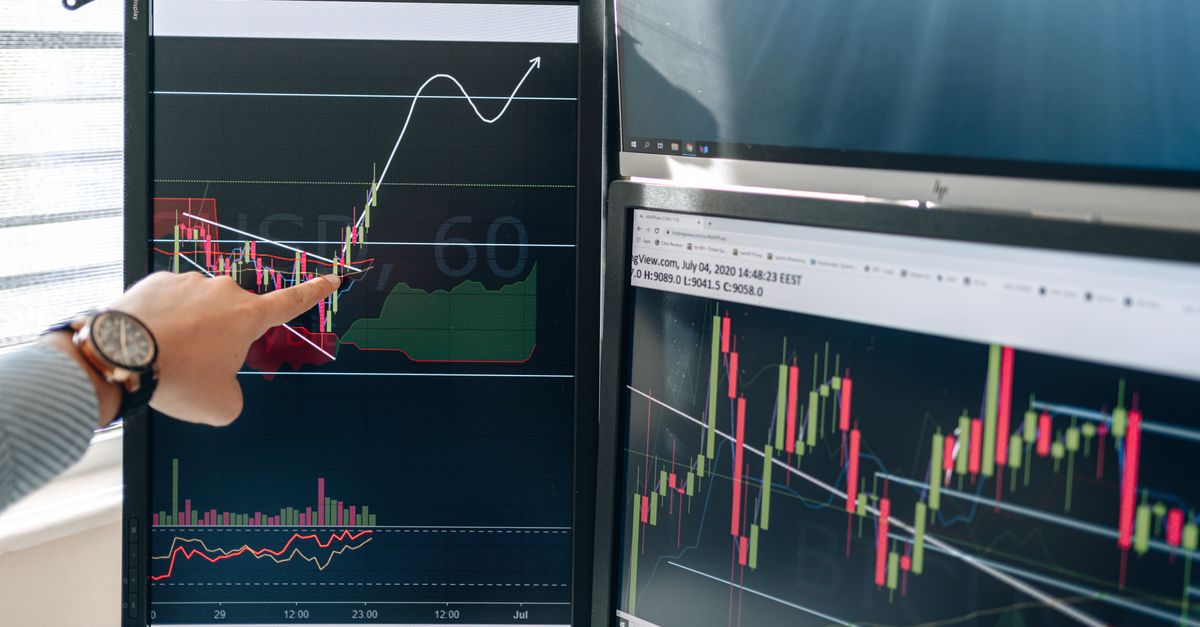
Photo by AlphaTradeZone on Pexels
Why overtrading is a filter problem, not a discipline problem
You were not born with a shortage of self-control specifically around forex. Most traders were simply never handed a strict enough definition of what a valid setup requires, so nothing effectively says no. A vague plan — "look for a good level with some confluence" — leaves nearly every hour of every session technically eligible. A specific plan, one that names the exact context required before an entry even qualifies, disqualifies most of the day automatically, with no willpower involved.
(Yes, I know how that sounds — like I am telling you the fix is more rules, when what you actually feel is an urge, not a rulebook gap. Stay with me. The urge shows up precisely because there is space for it to. Close the space, and there is nowhere left for the urge to attach itself to.)
This is the same idea that runs through most of what actually separates a losing pattern from a working one: the entry was never really the problem. Not understanding why price is at a specific level — the context — is what leaves the door open for every candle to look tempting. Doubling your size right after a loss, hoping to win it back faster, is not a strategy. It is a diet plan running in reverse, promising the opposite result from the same impulsive logic.
The maths overtrading multiplies regardless of any single trade
The spread does not care how many times you cross it. Every trade pays it, win or lose, which means trade count alone is a cost multiplier independent of whether your analysis was any good that day.
This is not a small, theoretical effect. A landmark study of individual investor accounts by Brad Barber and Terrance Odean at UC Berkeley found that the most actively trading fifth of investors earned net annual returns of around 11.4%, against roughly 18.5% for the least active fifth — a gap of about 7 percentage points a year, driven substantially by the costs of trading itself rather than worse judgment. Volume, on its own, was expensive.

Photo by Towfiqu barbhuiya on Pexels
The FCA consistently reports that the large majority of retail CFD and forex accounts lose money, and a higher trade count sitting on top of an already thin edge is one of the more mechanical, least discussed reasons that number stays where it is. It has nothing to do with any individual trade being catastrophic. It is arithmetic, repeated often enough to matter.
How professionals actually keep trade count low
Institutional desks are not operating under a self-imposed daily trade limit, willing themselves to stop. Low frequency is the output of a strict entry criteria list, not the goal itself. The market has structure — genuine, high-quality setups are comparatively rare and identifiable, not evenly distributed across every candle — and a desk built around reading that structure simply does not find many hours that qualify.
I can find this on YouTube for free — largely true, and most of it stops at "trade less," without ever explaining what actually changes when a trader does. My apprentice once asked, entirely reasonably, how he was supposed to tell a real setup from one he was talking himself into. The honest answer took longer than "just be disciplined," and it was the more useful conversation of the two.
When overtrading is a bigger problem than trading
Everything above assumes overtrading is a trading problem, and for most people, it is. It is worth being honest that, for some, the compulsive pull to keep placing trades regardless of outcome shares more in common with problem gambling than with a fixable strategy gap. If the urge to trade again feels less like a habit and more like something you cannot stop even when you want to, that is worth taking to a source built for exactly that, not a trading blog. GamCare and the National Gambling Helpline exist for precisely this pattern, regardless of which product it shows up in.
For everyone else — the ordinary, common version of this, where the trades are frustrating rather than compulsive — the fix genuinely is available, and it starts with writing down what a valid setup requires in enough detail that most of the day fails to qualify on its own.
Frequently asked questions
What is overtrading?
Overtrading means placing trades more frequently, or in larger size, than your strategy or account genuinely calls for. It usually shows up as trading outside a tested plan, entering without a clear qualifying setup, or increasing position size to recover a loss quickly.
What causes overtrading?
The immediate trigger is often boredom, restlessness, or the urge to recover a loss quickly. The deeper cause is usually the absence of a strict, specific filter for what actually counts as a valid setup. Without a clear no, almost anything on the chart can start to look like a reason to enter.
Is overtrading a discipline problem?
Partly, but treating it purely as a discipline problem misses the structural cause. A trader with a precise, specific definition of a valid setup naturally trades less, because most of what the market offers on a given day simply does not qualify. Discipline matters more when the filter itself is vague.
How many trades a day is too many?
There is no universal number, because it depends entirely on the strategy and timeframe. The more useful question is not how many trades you took, but how many of them met your own written criteria before you entered. A high count of genuinely qualifying setups is different from a high count of impulse entries.
How does overtrading cost money beyond losing trades?
Every trade pays the spread regardless of whether it wins or loses, so a higher trade count means paying that cost more often. Academic research on individual investor performance has found that the most active traders earn significantly lower net returns than the least active, largely because of costs incurred through frequent trading itself.
How do I stop overtrading?
Write a specific, narrow definition of what a valid setup requires, including context, not just an entry trigger, and treat anything that does not meet it as a pass rather than a near miss. Reducing trade count works best as the result of a stricter filter, not as an arbitrary limit imposed on top of a vague one.
Is overtrading connected to revenge trading?
Often, yes. Revenge trading, entering a new position quickly after a loss to try to win the money back, is one of the most common specific forms overtrading takes. It shares the same root cause: no clear filter strong enough to override the emotional pull to act immediately.
Marco Stavros has traded forex from London since 2009. He once placed eleven trades in a single afternoon, none of which he could explain to himself the next morning, and has kept a written setup checklist ever since. It has done more for his results than any amount of willpower ever managed. Learn more about Marco.
Start Seeing What's Really Moving Price
Most traders react to price. Learn to read what drives it.
See how Rethink Forex works