
Photo by Eren Li on Pexels
Why Your Stop Loss Gets Hit Before the Move Happens
There is a particular flavour of disbelief reserved for watching price crawl toward your stop, hold your breath, touch it, take you out — and reverse on the very next candle. Not eventually. Immediately. Close enough that doing nothing would have kept you in the trade, and precise enough that it happened exactly at your level and nowhere else.
That timing is what makes it feel personal, even when you know, rationally, that a market moving $7.5 trillion a day has no idea your account exists. The stop gets hit. The reversal starts immediately. The gap between those two moments is sometimes seconds. That is the part that stays with you longer than the money does.
You are not imagining the pattern, and you are not unlucky in some uniquely personal way. Something structural connects the two events, and nobody walked you through what it is.
If trading losses have pushed you to a place that feels overwhelming beyond money, please reach out. The Samaritans are available 24 hours a day, 7 days a week, at 116 123 — free, confidential, and without judgment.
The short answer
Your stop loss gets hit before the move happens because the sweep and the move are usually two phases of the same event, not two separate coincidences. The wick that clears your stop provides the liquidity a larger position needs to fill. Once that fill completes, the move it was funding starts immediately.
That is why the reversal so rarely happens eventually. It happens right away, because the two events were never independent to begin with.
So close, and exactly wrong
You know the shape of it in your own history. Price grinds toward your level for what feels like an hour. You do not move the stop — good discipline, for once — and you tell yourself it will hold. It does not hold. It touches, triggers, and within a candle or two is back through the level and running in the direction you originally called.
Stop hunted, to the pip, and this time you watched the whole thing happen live instead of finding out after the fact. My analysis was right but I still lost lands differently when the proof of being right arrives ninety seconds after your exit, on the same chart, in front of you.
Rinse, repeat, and the part that erodes confidence fastest is not the loss itself. It is the precision. A stop hit by a wide margin, well before any real reversal, at least allows for the story that you were simply wrong. A stop hit by a hair, followed immediately by the move you predicted, does not offer that story. It offers something closer to being watched.
Before getting to why the timing works this way, it is worth looking at the advice most people receive instead — because it treats the symptom, not the sequence.
What the industry told you — and why it is incomplete
The standard response to this exact complaint is almost always some version of "your stop was too tight."
Widen the stop
Sound advice, up to a point, and incomplete on its own. A wider stop still tends to land at a new, equally obvious level — the next round number, the next visible swing high. It can still get swept. The account simply gives back more before finding out, which is not the same thing as fixing the underlying pattern.
Use a volatility-based stop
Genuinely useful for sizing distance sensibly. It answers how far, not where. A stop placed a mathematically correct distance from entry, but still sitting exactly on an obvious structural level, has solved the wrong half of the problem.
Accept it as bad luck
The most common response of all, and the one that keeps the pattern invisible the longest. Bad luck does not explain why the reversal keeps arriving immediately rather than eventually, trade after trade, on a level that was visible to anyone looking at the same chart.
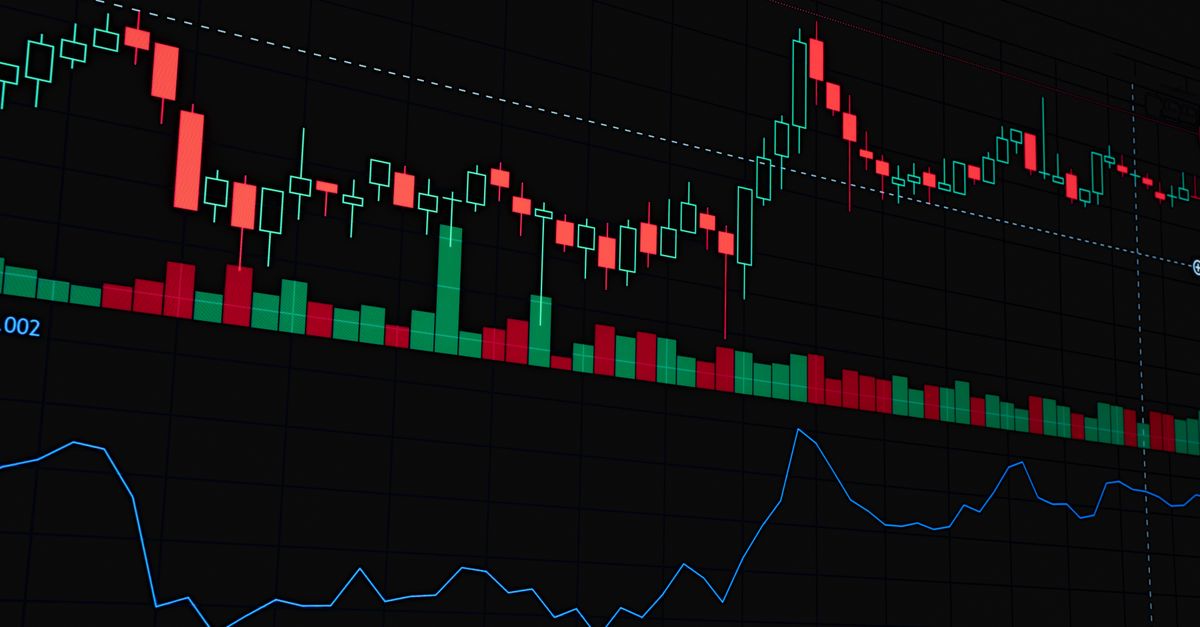
Photo by Rafael Minguet Delgado on Pexels
Why the sweep and the move are the same event
A staff study from the Federal Reserve Bank of New York on stop-loss orders and price cascades found that currency rates tend to move rapidly once they clear clusters of stop-loss orders, and that the response to these clusters is typically larger and longer-lasting than the response around ordinary take-profit levels. That asymmetry is the whole explanation for the timing you have been living through.
A large order cannot simply appear in the market without moving price against itself. It needs the other side of the trade sitting somewhere, in size, ready to be matched. Retail stop losses and breakout entries, clustered at the same obvious highs, lows, and round numbers that most retail education teaches, are exactly that liquidity. The wick that takes out your stop is not an unfortunate coincidence on the way to the real move. It is the mechanism by which the real move gets funded.
This is why the reversal happens immediately rather than eventually. The sweep is not step one of two unrelated events separated by time. It is the first half of a single sequence — clear the liquidity, then deploy the position the liquidity made possible — and there is no structural reason for a pause in between.
I spent a long time believing my stops were simply too tight, because that is what I was told, repeatedly, by people who had also only been told that. Widening them bought me a few more pips of pain before the same pattern kept happening, at a new level, with the same immediacy. It took actually mapping where my stops sat against real structure — not distance, structure — before the pattern stopped repeating on schedule.
None of this requires anyone to be targeting you personally. The market does not need your account number to behave this way. It only needs liquidity clustered somewhere predictable, and most retail stop placement provides exactly that, at the same handful of obvious levels, over and over.
What this means — and what it does not
This does not mean every stop that gets hit was doomed by conspiracy, and it does not mean stops are pointless. Plenty of stops get hit because the trade idea was simply wrong, and that is a different, more ordinary kind of loss. What changes is your ability to tell the two apart — a stop that sat exactly on the obvious level everyone else was using, versus a stop that sat beyond genuine invalidation of your read on the market.
I have tried everything and still lose usually describes someone who has widened stops, tightened stops, and switched systems, without ever asking where the stop actually sat relative to structure rather than distance. Changing the number without changing the logic behind the number just repeats the same mistake in a new size.
(The uncomfortable part worth saying plainly: this does not remove the sting of watching it happen live. Understanding why the timing works this way does not make the next sweep feel better in the moment. It just stops the pattern from feeling like it is happening exclusively to you.)

Photo by Shivansh Sharap on Pexels
Who this post is not for
Understanding this mechanism is genuinely useful. It is not a reason to skip the more basic questions first.
If you are trading money you cannot afford to lose, restructuring where you place stops does not change what a losing streak does to your life. Fix the stake and the risk management before refining stop placement.
If watching a sweep happen live sends you straight into revenge trading rather than calm review, that reaction needs addressing on its own terms before this mechanism will help you. Understanding why it happened does not neutralise the urge to immediately try to win it back.
If someone close to you has raised concerns about how this is affecting you, take that seriously. A chart cannot see what people who know you can.
If none of that applies, this is a genuinely fixable habit, not a personality flaw. The market was never waiting for your exit specifically. It was waiting for liquidity, and your stop, sitting exactly where everyone else's was, happened to be part of it.
Frequently asked questions
Why does price always reverse right after my stop loss gets hit?
The wick that clears your stop and the move that follows are usually two phases of the same event, not two separate coincidences. The liquidity created by triggering resting stops gives a larger order room to fill, and once that fill completes, the move it was funding begins immediately — which is why the reversal so often happens right away rather than eventually.
Is stop hunting real?
The mechanism is real; the word "hunting" overstates it. Stops cluster in predictable places because most retail education teaches the same placement. Larger orders need liquidity to fill without moving price too far, and those clusters are the easiest place to find it. Nobody needs to target you personally for this to happen consistently.
Does moving my stop loss further away fix this?
It usually just relocates the problem rather than solving it. A wider stop still tends to sit at a new, equally obvious level — the next round number, the next visible swing point — and can still get swept, only after giving back more first. The fix is where the stop sits relative to genuine structure, not simply how far away it is.
What is a liquidity sweep?
A liquidity sweep is when price briefly pushes beyond an obvious high, low, or round number, clearing the stop losses and breakout orders resting there, before reversing. The sweep itself is not the trend changing — it is the market accessing the orders it needed to fill larger size before continuing.
Should I stop using stop losses altogether?
No. A stop loss is what keeps a single bad trade from becoming a blown account. The fix is not removing it, it is placing it somewhere that reflects genuine invalidation of your trade idea rather than the nearest round number or obvious swing point everyone else is using too.
How do I place a stop loss that is not just sitting in an obvious spot?
Place it beyond the level that would genuinely prove your read on structure wrong, with enough room to survive an ordinary sweep of the obvious level nearby, rather than exactly at that level itself. It will not eliminate losing trades. It reduces the number of trades lost purely to timing rather than being wrong about direction.
Why does the reversal happen immediately instead of eventually?
Because the sweep and the move are not independent events on a delay. The sweep provides the liquidity a larger position needs to fill, and once filled, there is no structural reason to wait before deploying it. The immediacy is evidence the two events are connected, not proof of bad luck landing twice in a row.
Marco has traded forex from London since 2009. He widened his stops for the better part of two years before realising the problem had never been distance. Rethink Forex exists to hand over what took him that long to notice on his own. More about Marco.
Start Seeing What's Really Moving Price
Most traders react to price. Learn to read what drives it.
See how Rethink Forex works